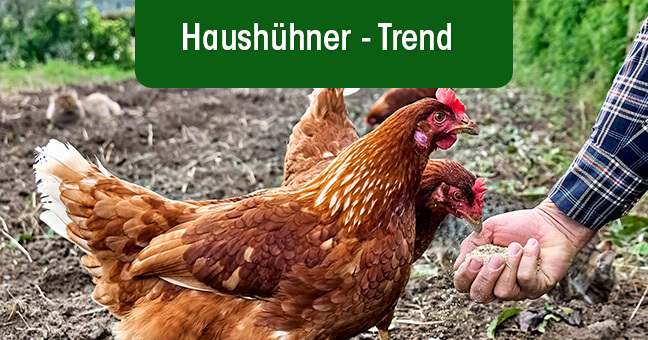
Chickens as pets and agricultural poultry have become very popular recently. But what makes the trend so popular?
Self-sufficiency
One of the main motivations for keeping chickens at home is the ability to get fresh eggs straight from your own garden. By keeping your own chickens, you can create a reliable and sustainable source of high-quality eggs.
Sustainability
Keeping chickens fits well into a sustainable lifestyle. The chickens can recycle organic kitchen waste and garden waste and turn it into valuable fertilizer. This produces less waste and reduces the ecological footprint.
Garden care
Chickens can help control pests in the garden by eating insects and snails. They also scratch up the soil and fertilize it with their droppings, which improves soil health.
Autumn time is moulting time
Moulting in chickens is a hormonally controlled process in which the entire plumage is changed in autumn (August - October). Chickens usually experience their first moult at around 12 months of age and it lasts about 4-6 weeks.
Moulting in chickens depends on temperature, day length and food supply. Regrowing the plumage in a short period of time is exhausting and draining for the animals. During this time, egg production is reduced or stopped and the poultry is more susceptible to disease. The metabolism is working at full speed, so strengthening the immune system is important.
Unnecessary stress, such as moving or manual work in the stable, should be avoided, as should bringing new chickens together to prevent diseases.
What is needed during moulting?
During moulting, chickens need a lot of light, water and a balanced diet. High-quality grain feed is important, ideally germinated during moulting. Animal protein can be supplemented with shrimp meal or live insects such as mealworms. Fresh greens, berries and fruit provide vitamins and minerals. Feed additives ensure the supply of all necessary vitamins, amino acids, trace elements and minerals.
The following vitamins, amino acids, trace elements and minerals are required in greater quantities by poultry during moulting:
However, sulphur in its pure form cannot be used by the chicken. Sulfur-containing amino acids such as methionine are required here. The normal need for methionine can hardly be covered by food and is even higher during moulting. During this time, supplementary feed containing methionine must be fed.
Natural sources: brewer's yeast, fish products, sunflower, rapeseed and soybean meal
Biotin (= vitamin B8) is a vitamin from the B group (formerly known as vitamin H) and is involved in numerous metabolic processes in the body.
It supports the growth and proliferation of cells in the body. It is also needed for the development of skin, feathers and claws.
Natural sources: brewer's yeast, soybeans, peanuts, oatmeal
Zinc plays an important role in the metabolism of the amino acid cysteine and is essential for healthy skin and plumage, promotes muscle development and strengthens the immune system.
Natural sources: seaweed lime, oatmeal, wheat, rye, buckwheat, brown rice, soybeans, lentils, pumpkin seeds, peanuts, sunflower seeds
Methionine can hardly be covered by food and is even higher during moulting. During this time, supplementary feed containing methionine must be fed.
Natural sources: brewer's yeast, fish products, sunflower, rapeseed and soybean meal
Calcium is important for building bones and feather formation
Natural sources: algae lime, broccoli, kale
Our recommendation for optimal care during moulting:
10g once a day priVet HuminoMineral/ 1 kg feed
4 ml twice a week Single cod liver oil / kg of feed (if no access to the outdoors is possible)
To support the immune system and the liver:
1x daily 2ml priVet Vital / 1 L of drinking water
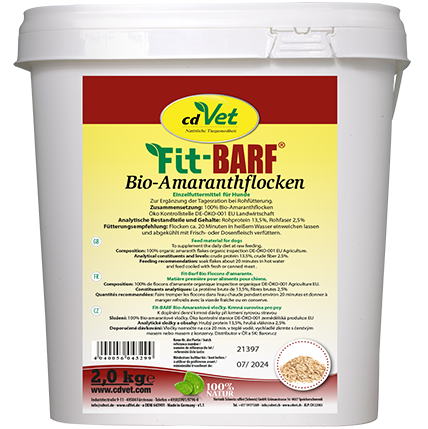
Amaranth is one of the oldest agricultural crops of humankind.It is not among the sweet grasses, such as normal grain varieties.It is one of the fox tail plants.This makes it to one of the pseudo-cereals.Amaranth is gluten-free and thus an excellent alternative for dogs who are fed grain free.- easily digestible- As an addition to fresh or canned meat
Content: 2 Kilogramm (€18.98 / 1 Kilogramm)
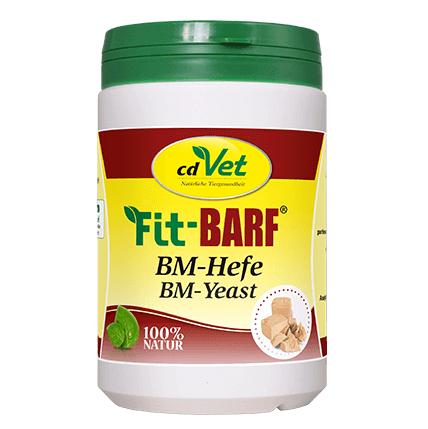
Fit-BARF BM-Yeast consists of brewers' yeast bound to malt rootlets. Brewers' yeast contains biotin, folic acid, iron, zinc, and trace elements, which have a positive influence on the condition and resistance of skin and hair. The nutrition-related regenerative capacity of individual cells can also be influenced. Malt rootlets are characterized by their content of easily digestible carbohydrates, crude fiber, and crude protein. Due to their high crude fiber content, germ buds also have a good dietary value.
Content: 0.6 Kilogramm (€18.25 / 1 Kilogramm)
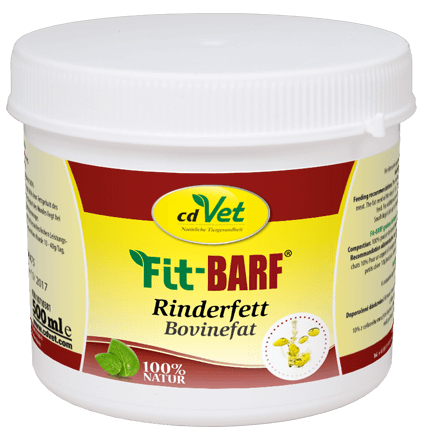
The proportion of animal fat should be 15-25% in the diet of the dog and the cat should be at about 10%. If your dog or cat is fed with lean meat, it uses proteins to produce energy. In this case, wastes will be generated that need to be digested by liver and kidneys. The strain on the metabolism increases. On the long term, this can lead to congestions of the excretory organs. In case of dogs or cats that are poorly using the feed or very underweight, special attention should be paid to the fat content of the meat.
Content: 0.5 Liter (€33.90 / 1 Liter)
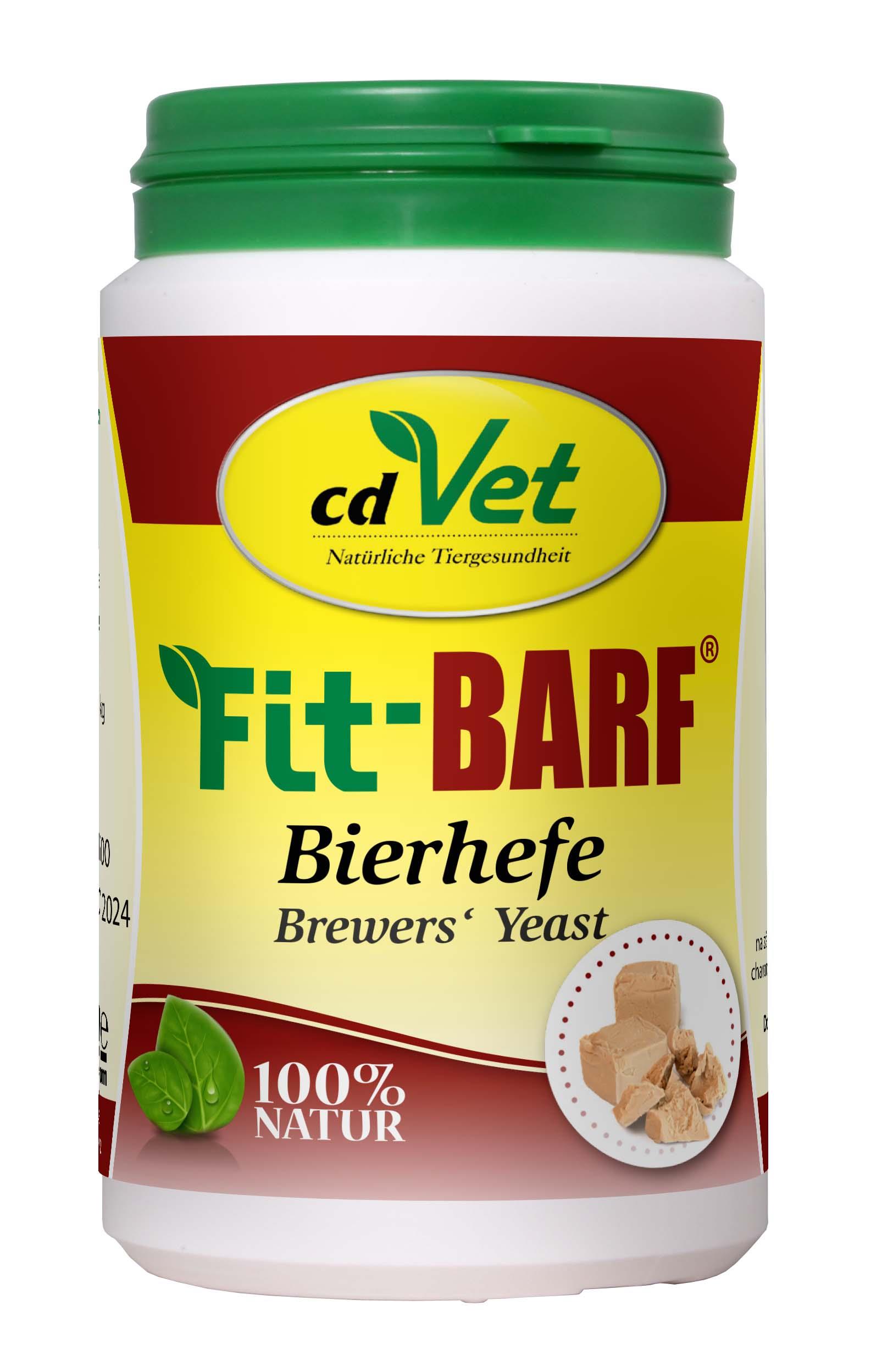
Brewers' yeast, as the most balanced, natural source of vitamin B, whose vitamins are present in a broken down state and can be absorbed directly, is a valuable addition to the daily diet. In addition, brewers yeast has a positive effect on the intestinal flora. Its content of phosphorus, potassium, magnesium, calcium, iron, zinc, copper, and manganese, as well as the trace elements cobalt, molybdenum, chromium, and selenium, provide an important contribution to demand-oriented nutrition.
Content: 0.2 Kilogramm (€54.75 / 1 Kilogramm)
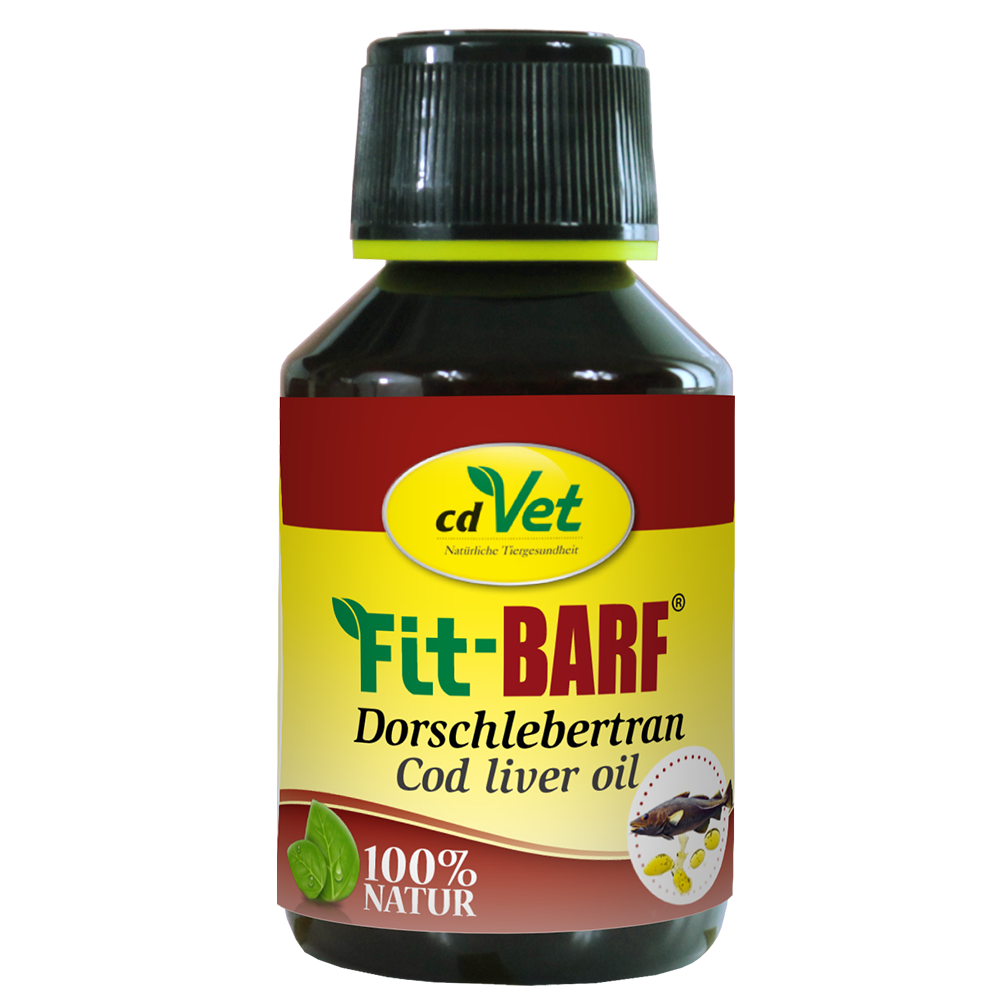
Fit-BARF Cod Liver Oil is a high-value supplier for omega-3-fatty acids and vitamin D. Omega-3-fatty acid (for example linolenic acid) are polyunsaturated fatty acids, which cannot be created itselves by the body. Thus they are called essential and must be fed to the organism with the nutrition. Vitamin D is important for the builing of the bones and the regulation of the calcium balance.
Content: 0.1 Liter (€109.50 / 1 Liter)
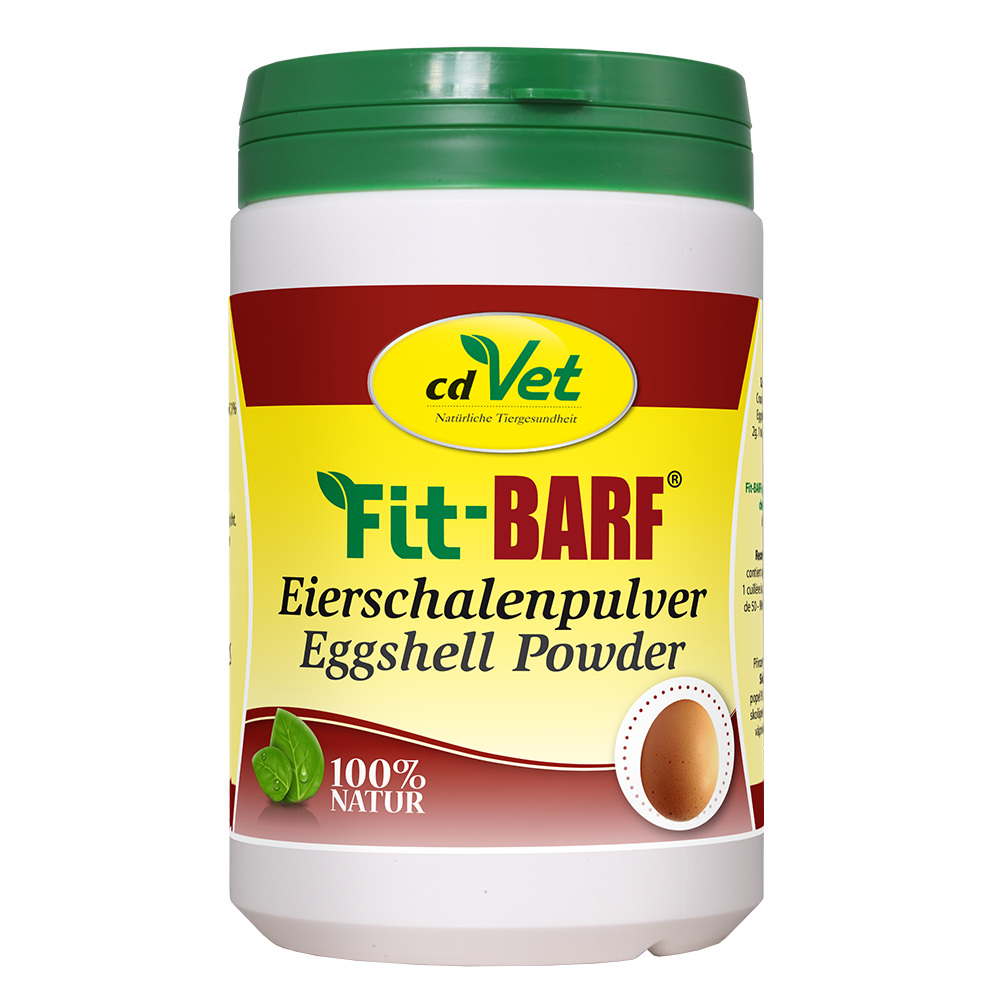
Calcium intake, in particular, plays a major role in the feeding of raw meat. This can only be achieved by feeding sufficient bone. Not every dog can or wants to eat bones, and in the case of cats, feeding whole prey (mice or chicks) is not always problem-free either.Fit-BARF Eggshell Powder is a readily utilizable animal source of calcium for daily feeding. It provides balance when feeding raw meat by balancing the high phosphorus content of the meat with its natural calcium content. Due to the fine degree of grinding, the product has a high bioavailability.neutralization of phosphorus excess with predominant meat feedingfor bone-free feedingas an extra source of calcium in times of increased demand (growth, gestation, lactation)
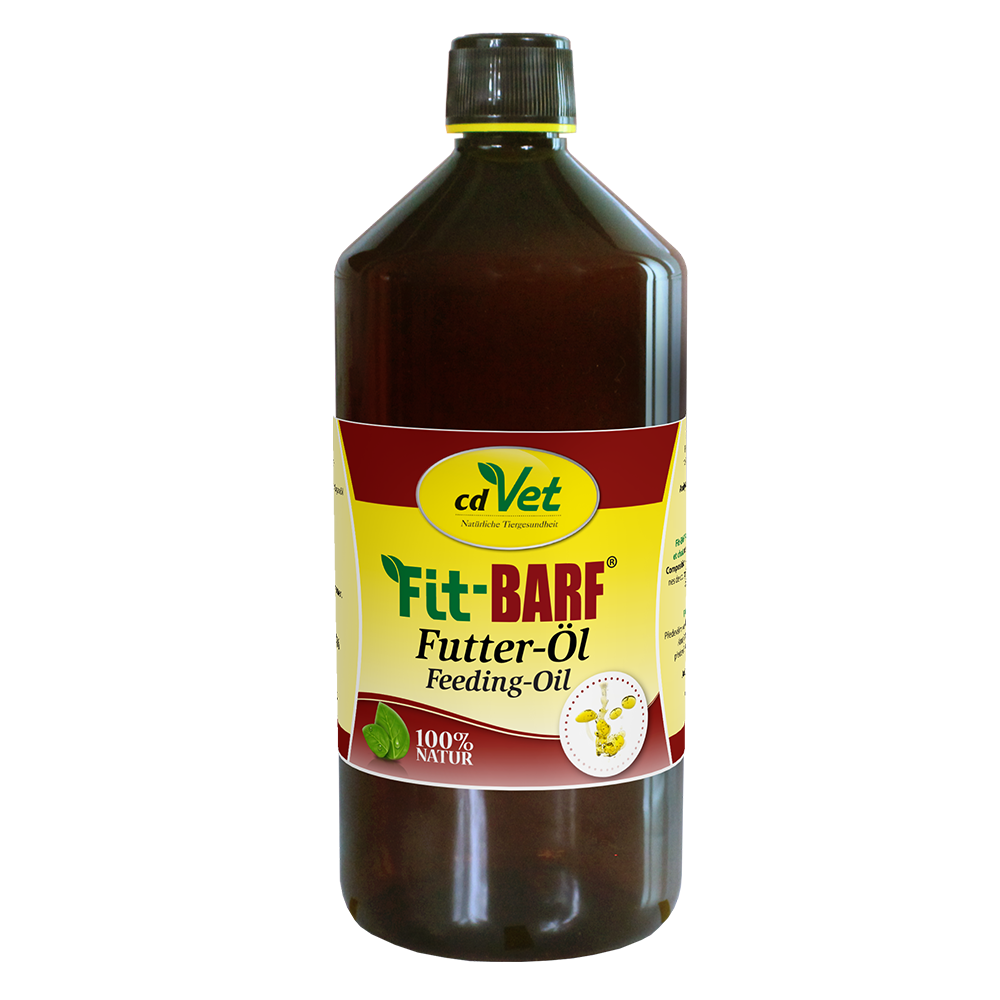
Fit-BARF Feeding Oil is a mixture of high-grated cold-pressed vegetable oils. Cold-pressed, food-grade linseed oil forms the basis of this purely natural feeding oil. This admixed functional oils (evening primrose oil, wheat germ oil, pumpkin seed oil and argan oil) ensures the optimal, well-balanced maintenance with essential fatty acids. Through this combination of pure naturally ingredients Fit-BARF Feeding Oil is a high-concentrated energy source and similarly an origin of significant vital substances of selected oils in one product.
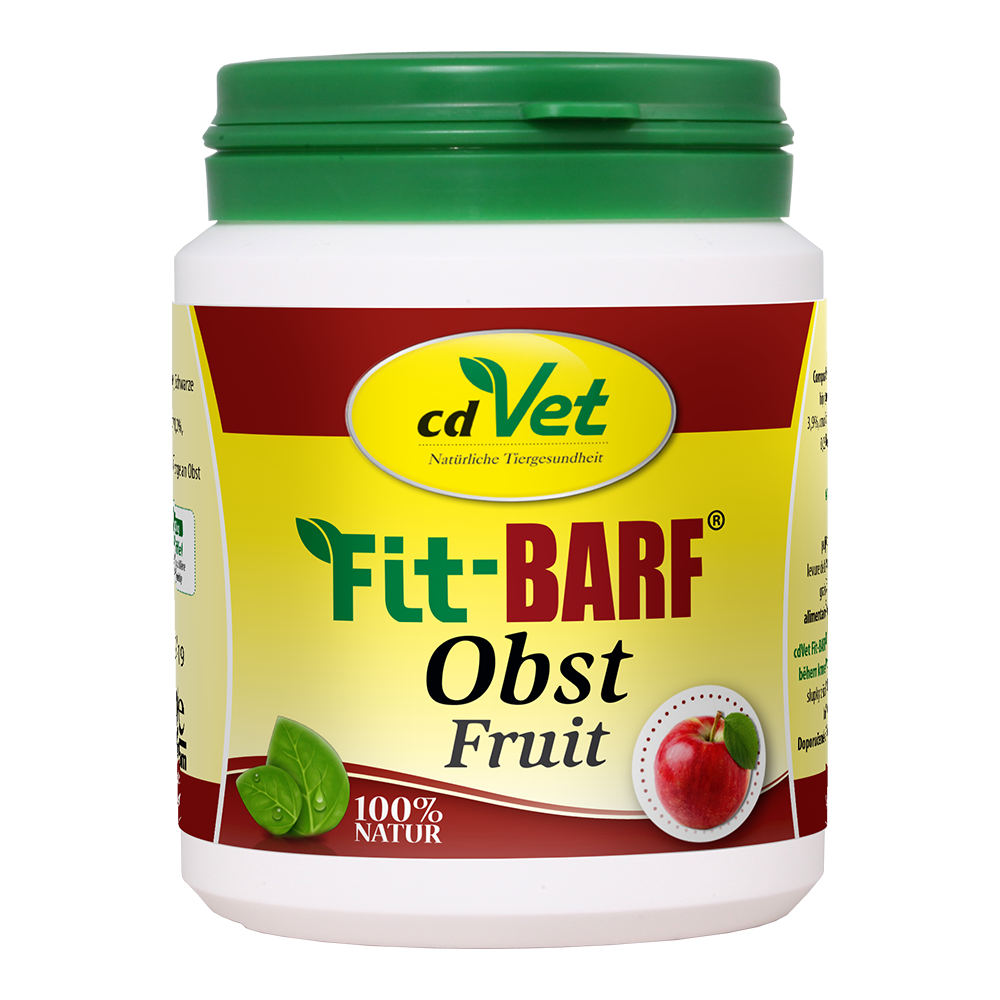
Fit-BARF Fruit is made from selected ingredients to enable a well-balanced nourishment with feeding. It complements the requirement of vitamins (Niacin, Riboflavine (B2), folic acids, E, A, K, C), flavonoids (polyphenols) as well as fiber.Fit-BARF Fruit is free of grain and a healthy alternative to vegetables. It does not bring only variety, but also a balance in the BARF feeding plan. In combination with Fit-BARF MicroMineral, the basis is thus laid for healthy raw feeding.
Content: 0.1 Kilogramm (€109.50 / 1 Kilogramm)
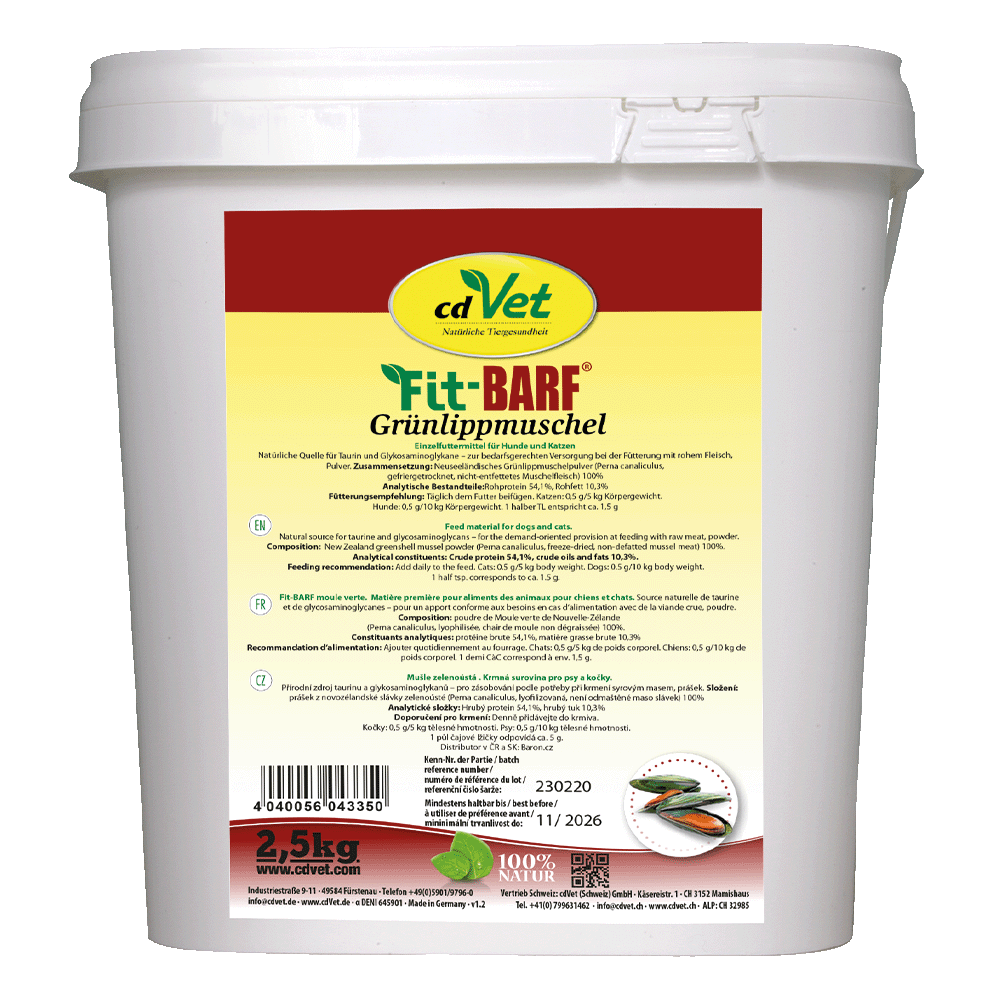
Feed material (powder) for dogs and catsNatural source for taurine and glycosaminoglycans – for the demand-oriented provision at feeding with raw meatThe naturally very high taurine content of the greenshell mussel is a very pleasing aspect for cat owners. Cats in particular depend on a sufficient supply of this organic acid in their food, as they cannot produce taurine themselves and lose a large part of it through their excretions. Taurine is essential for cats. A deficiency can lead to severe impairments and physical damage.Fit-BARF Greenshell Mussel consists of New Zealand greenshell mussel powder (Perna canaliculus, freeze-dried, non-defatted mussel meat). In addition, the greenshell mussel provides important components of the body's own mucous membrane as a building block and can thus have a supportive effect on the functionality and elasticity of the urinary bladder and all other mucous membranes. Occasionally fed, the trace elements and vitamins contained in the greenshell mussel can have a positive effect on vitality, metabolism, nutritional imbalances and on stressed skin.Expert tip: Does your dog suffer from joint problems? Then take a look at ArthroGreen Classic. The herbal composition, proven for years, supports your beloved four-legged friend on his daily tours.Growing puppy? Here ArthroGreen Junior offers the nutrients for a safe step into the big, wide world.Composition: New Zealand greenshell mussel powder (Perna canaliculus, freeze-dried, non-defatted mussel meat) 100%Analytical constituents: crude protein 54,1%, crude fat 10,3%Feeding recommendation: Add daily to the feed. Cats: 0.5 g/5 kg body weight. Dogs: 0.5 g/10 kg body weight. 1 half tsp. corresponds to ca. 1.5 g.
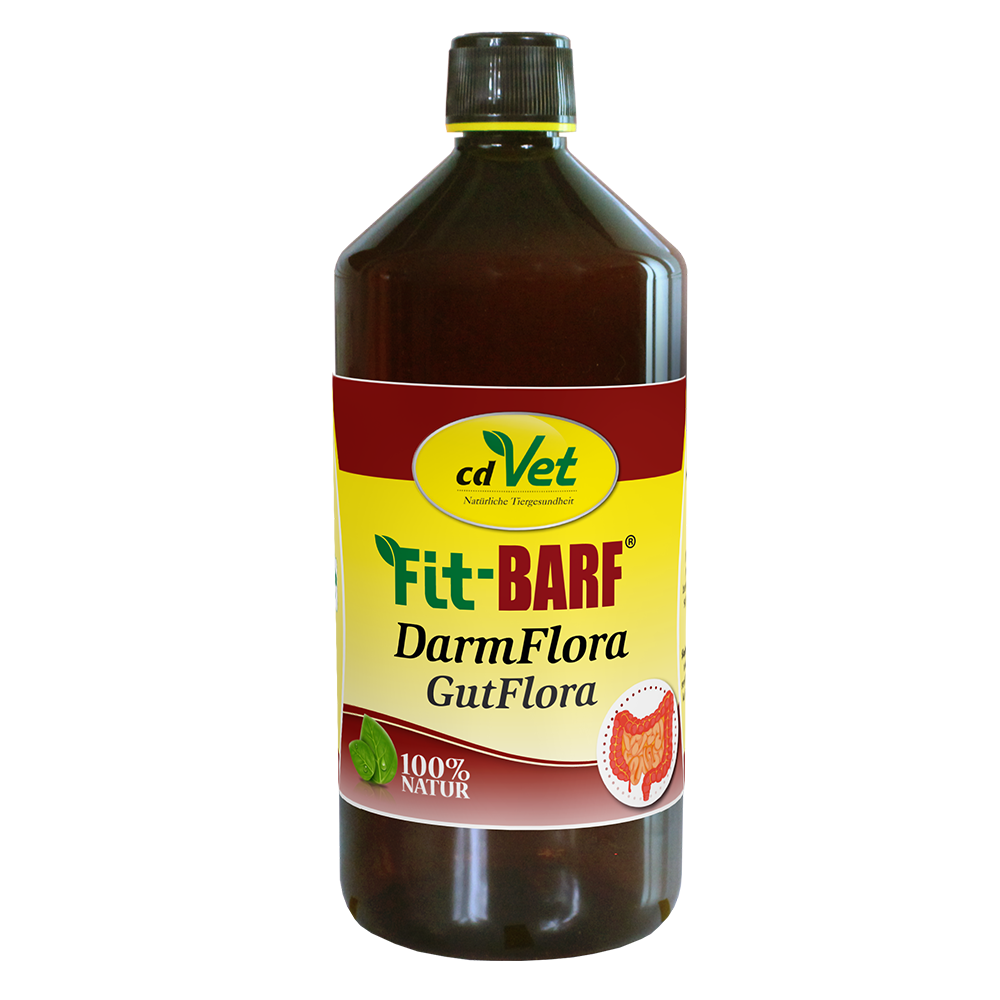
Billions of tiny microorganisms are found in the intestine. A distinction is made between pathogenic bacteria (pathogens that cause disease) and bacteria that are beneficial for healthy intestinal flora, such as lactic acid bacteria. These 'good' bacteria are hard-working helpers of the immune system and have a positive influence on digestive juices, enzymes, and the intestinal mucosa. The pathogens are properly fought and displaced. In addition, an intact intestinal flora ensures a good digestion.If the natural intestinal flora is disturbed, excessive colonization by pathogens can occur and the dog gets diarrhea. Antibiotic treatments can also attack the protective function - often the drugs do not distinguish between 'good' and 'bad' bacteria. The intestinal flora is disturbed, its defense mechanism functions only to a limited extent and the intestinal wall is adversely affected.The ancestor of our dog - the wolf - therefore also eats the digestive organs of its prey. They contain all the necessary microorganisms for a well-functioning intestinal flora. It is not always possible to feed fresh rumen or omasum. Even frozen they do not compensate for the lack of valuable bacteria and enzymes, as these are destroyed by freezing. This deficiency can be compensated very well with fermented herbs. Therefore, regular feeding with Fit-BARF DarmFlora is recommended, even with nutritionally disturbed intestinal flora as well as digestive problems.Displacement of pathogenic bacteriaStimulation of the immune systemImproved digestion of foodMaintenance of intestinal peristalsis
